 Image 1 of 5
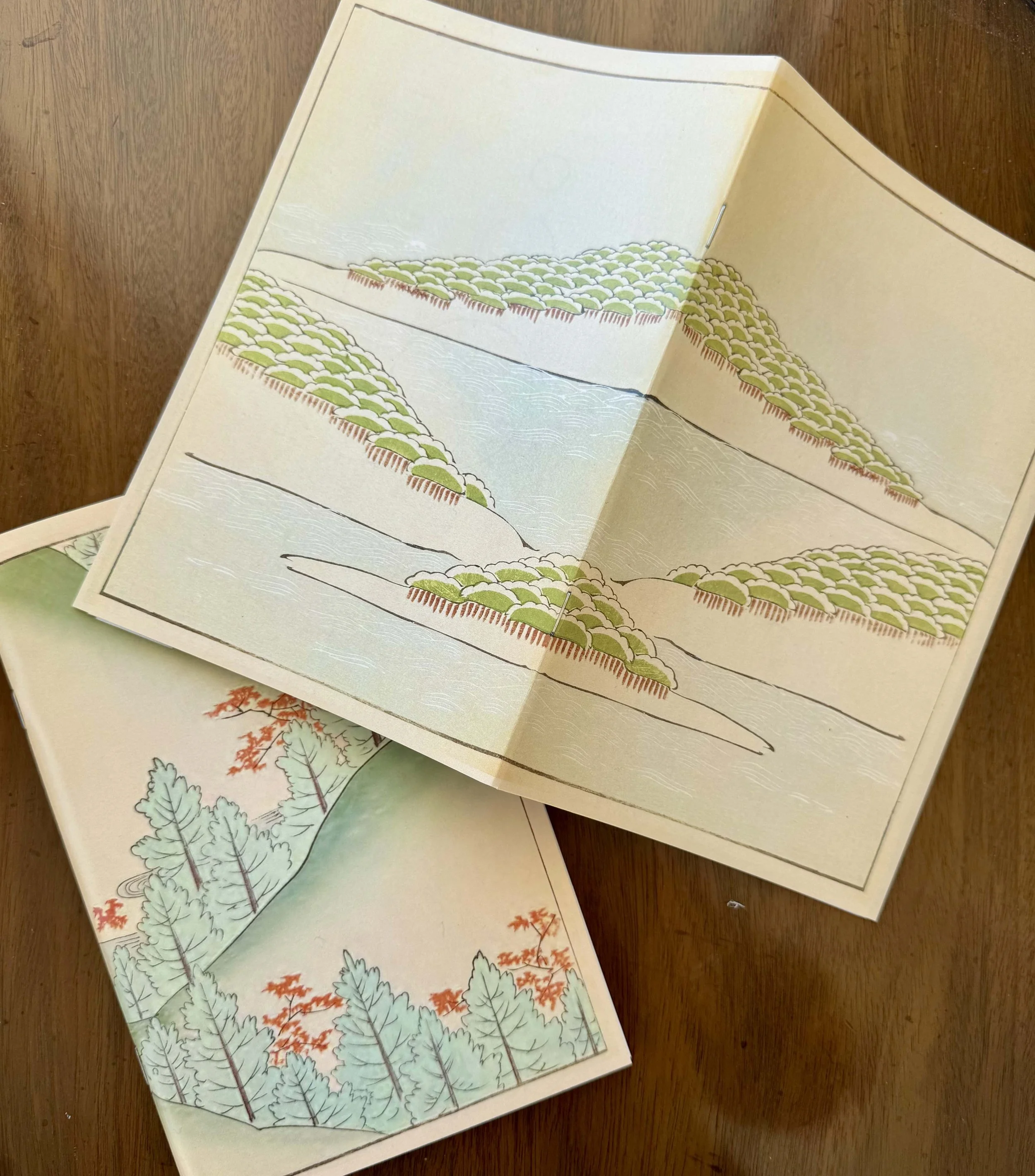 Image 2 of 5
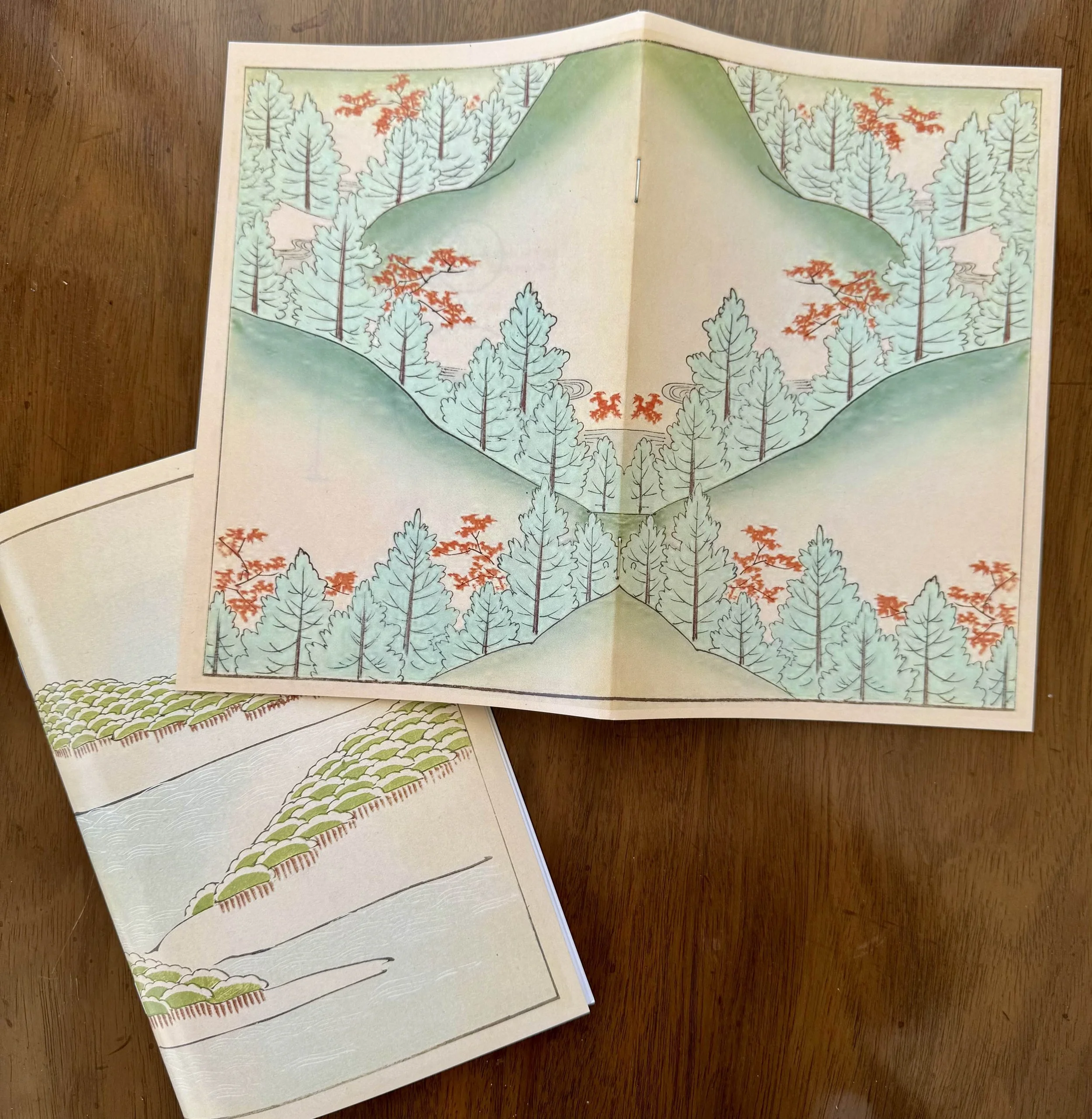 Image 3 of 5
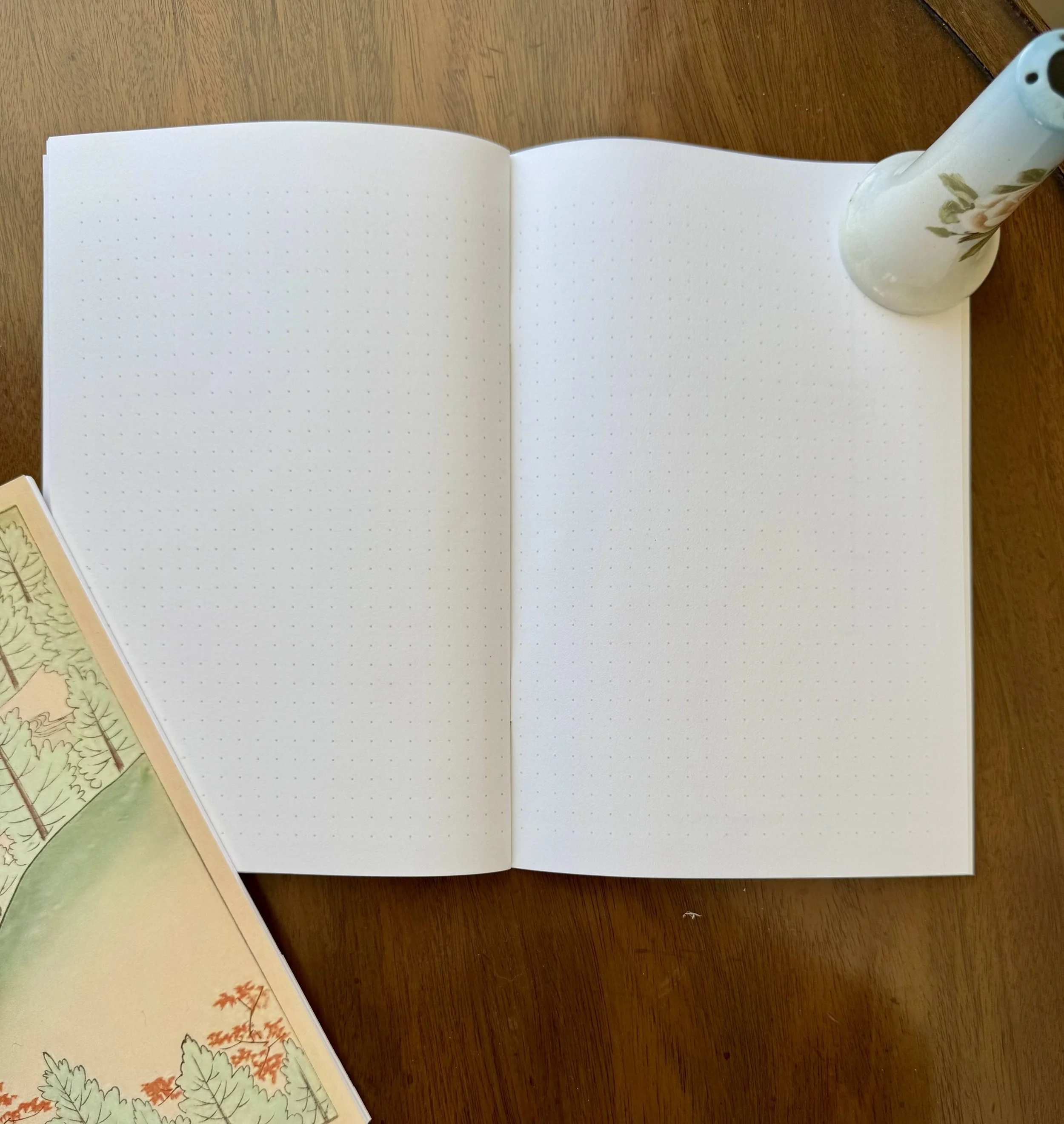 Image 4 of 5
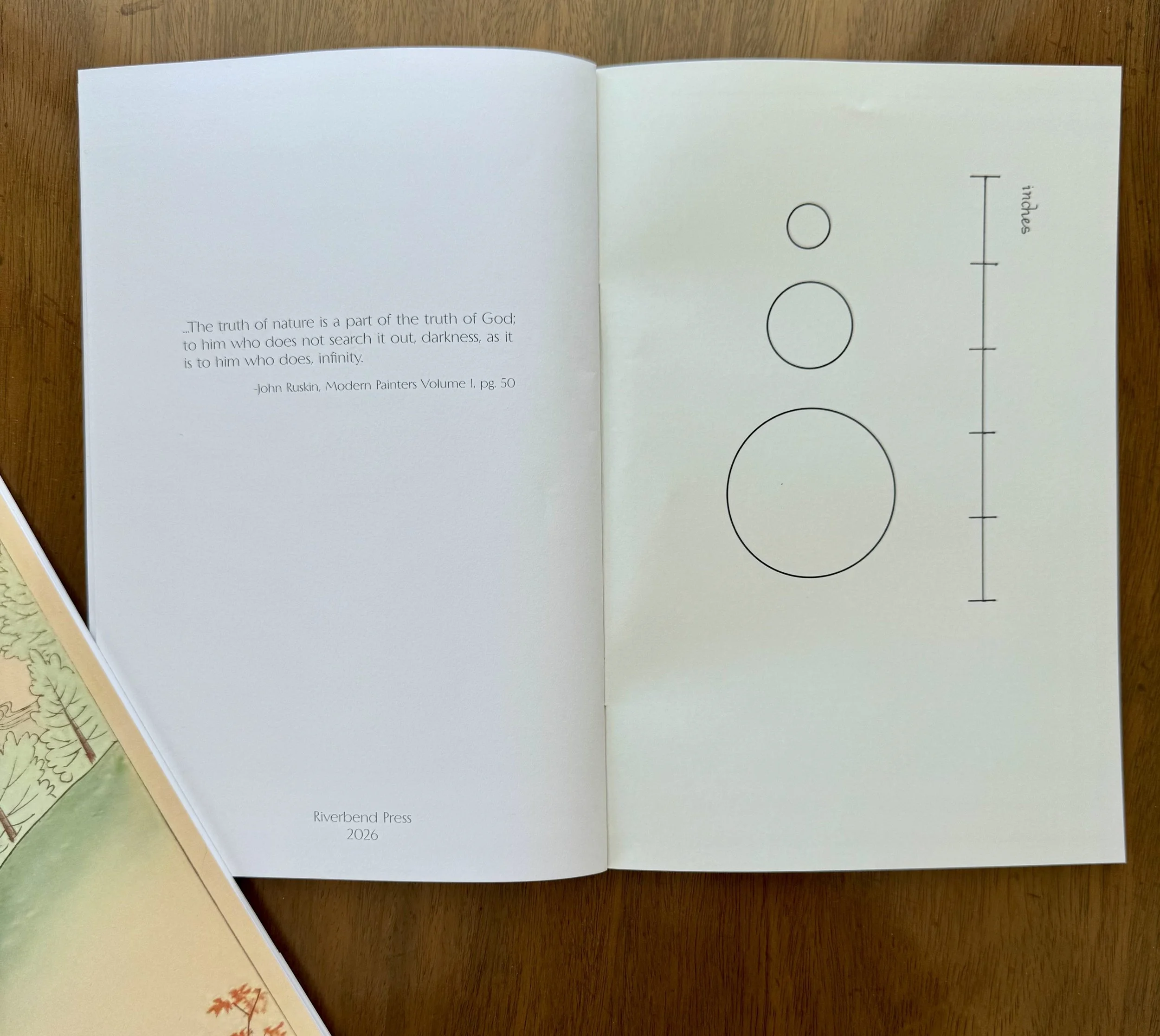 Image 5 of 5
Nature study is at the heart of a Charlotte Mason education. Many families go out each week in to fields, forests, and their own yards, to record their observations of nature. Having a basic collection of supplies that you enjoy using makes nature study more accessible. Our softcover nature journal is easy to slip in a bag or keep on a table by the back door.
Here are some things we discovered working with children and families:
It’s important to have good paper! The paper should work well with a variety of mediums — dry-brush (ie. brush drawing), colored pencils, sketching pencils, and even pens and markers.
Nature journals should not have too many pages. Filling a notebook in 1–2 seasons (3–6 months) has several important benefits:
Progress is easy to see, encouraging students to set achievable goals and build regular habits.
As we grow in our skills, we like to have a fresh start. Completing a nature journal in 1–2 seasons keeps our work fresh.
Keeping seasonal nature journals make it easy to compare seasons by looking back year-over-year. We can compare dates and see changes, helping to open the door to nature’s lessons in beauty and order.
Nature journals should be easy to use in the field, fitting into a small bag with a few other supplies.
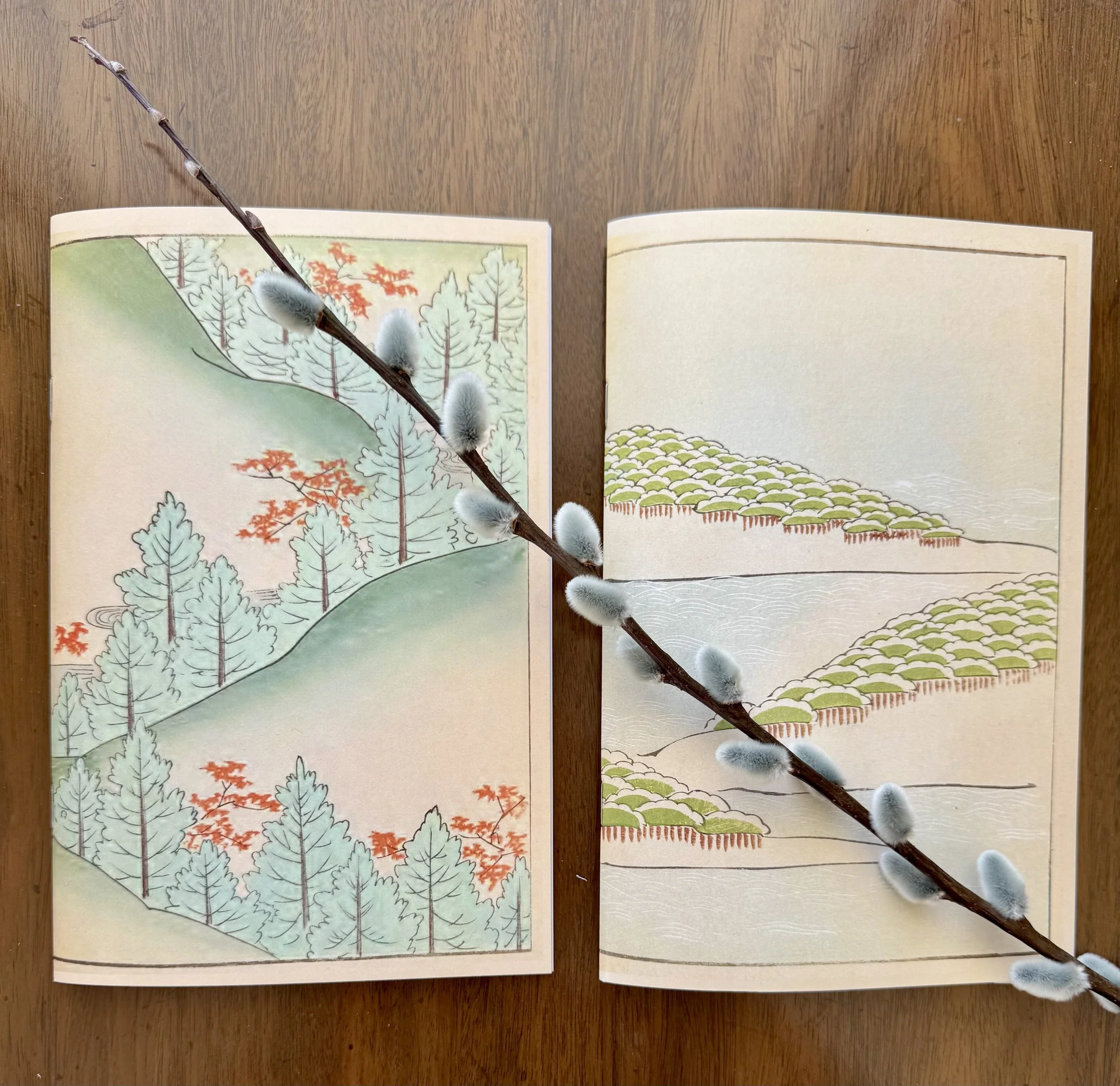
The Riverbend Press Nature Journal is approx. 6-1/4” x 9-1/2” and contains 36 pages of high-quality paper. There are 4 dot grid pages in the back for keeping bird, flower, and other lists. Our two cover options feature vintage Japanese art from the early 20th century, inspired by the natural beauty of Japan.
The cover is made of a durable, flexible material that can be taken into the field. The inside back cover offers several quick reference tools including, a 5-inch ruler and three circles (2”, 1,” & 1/2”) to measure diameter.
The last page includes a quote from John Ruskin. Add other quotes, mottos, and pieces of poetry here, as a small commonplace page, to capture your thoughts of the season.
Nature study is at the heart of a Charlotte Mason education. Many families go out each week in to fields, forests, and their own yards, to record their observations of nature. Having a basic collection of supplies that you enjoy using makes nature study more accessible. Our softcover nature journal is easy to slip in a bag or keep on a table by the back door.
Here are some things we discovered working with children and families:
It’s important to have good paper! The paper should work well with a variety of mediums — dry-brush (ie. brush drawing), colored pencils, sketching pencils, and even pens and markers.
Nature journals should not have too many pages. Filling a notebook in 1–2 seasons (3–6 months) has several important benefits:
Progress is easy to see, encouraging students to set achievable goals and build regular habits.
As we grow in our skills, we like to have a fresh start. Completing a nature journal in 1–2 seasons keeps our work fresh.
Keeping seasonal nature journals make it easy to compare seasons by looking back year-over-year. We can compare dates and see changes, helping to open the door to nature’s lessons in beauty and order.
Nature journals should be easy to use in the field, fitting into a small bag with a few other supplies.
The Riverbend Press Nature Journal is approx. 6-1/4” x 9-1/2” and contains 36 pages of high-quality paper. There are 4 dot grid pages in the back for keeping bird, flower, and other lists. Our two cover options feature vintage Japanese art from the early 20th century, inspired by the natural beauty of Japan.
The cover is made of a durable, flexible material that can be taken into the field. The inside back cover offers several quick reference tools including, a 5-inch ruler and three circles (2”, 1,” & 1/2”) to measure diameter.
The last page includes a quote from John Ruskin. Add other quotes, mottos, and pieces of poetry here, as a small commonplace page, to capture your thoughts of the season.